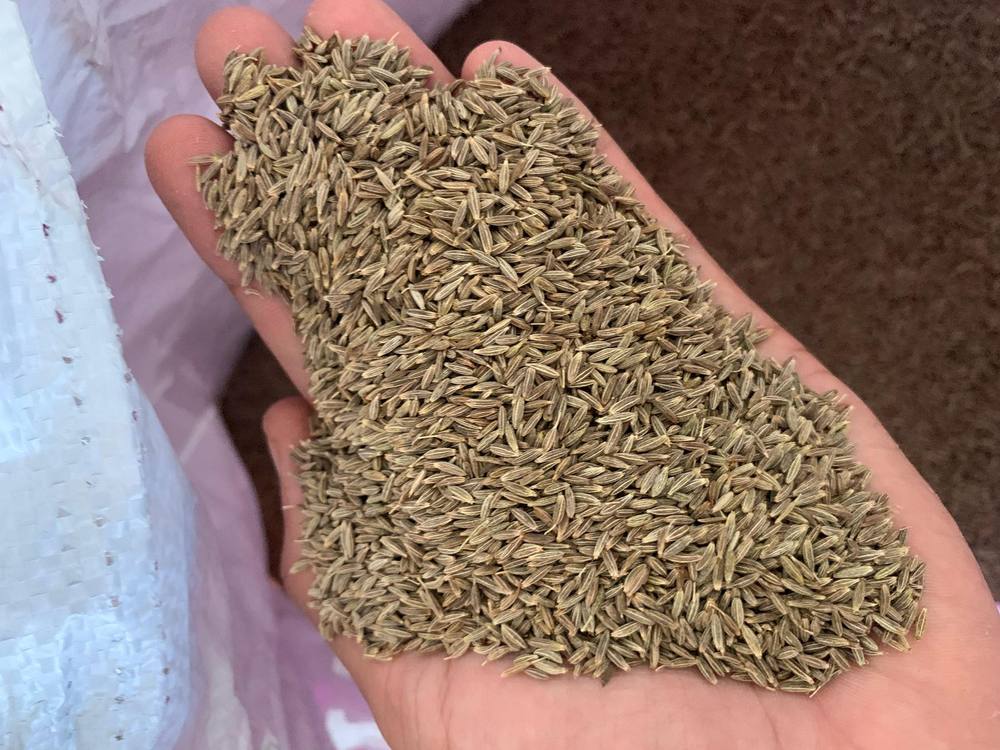
Why is Unjha considered the best source for cumin seeds?
North Gujarat and Rajasthan together produce over 85% of India's cumin, and Unjha sits at the centre of this growing belt. Nearly every grade and lot of Indian cumin passes through Unjha's mandis before reaching exporters, making it the primary sourcing and price-discovery hub for the crop.
What is an APMC mandi and how does it affect cumin pricing?
An APMC mandi is a government-regulated wholesale market where farmers auction produce directly to buyers. At Unjha's APMC market, cumin is auctioned daily and prices are published and transparent, reflecting real supply and demand rather than broker-set rates.
Does Gadin Exports source cumin only from Unjha, or from Rajasthan as well?
Gadin Exports sources primarily from Unjha, Gujarat, and also sources from mandis in Rajasthan — together the two states account for the large majority of India's cumin production.
How does mandi price transparency benefit international buyers?
Because Unjha mandi prices are published daily, buyers can verify the underlying rate behind any FOB quote themselves. Gadin Exports' margin covers processing, quality assurance, documentation and logistics — not a markup on an opaque supply chain.
How quickly can cumin be cleaned and graded after mandi purchase?
Unjha has over 200 cleaning and grading units using optical sortex machines and gravity separators, which can process mandi-purchased cumin to export grade within days of purchase — important for freshness.
What grades of cumin can be sourced through Unjha?
Unjha's cleaning and grading infrastructure supports the full range of export grades, including Singapore Grade 99%, Europe Quality 99.5%, and ground cumin powder, all processed from the same mandi-sourced raw cumin.
When is new crop cumin available from Unjha?
New crop cumin typically becomes available at Unjha mandi shortly after the February–April harvest window in Gujarat and Rajasthan, with fresh arrivals continuing through the following months. See the Cumin Harvest Calendar for detailed seasonal timing.
What is the current FOB price for cumin sourced from Unjha?
FOB Mundra pricing for Unjha-sourced cumin starts from USD 2.30/kg, varying by grade and current mandi rates. Contact Gadin Exports for the current quote.